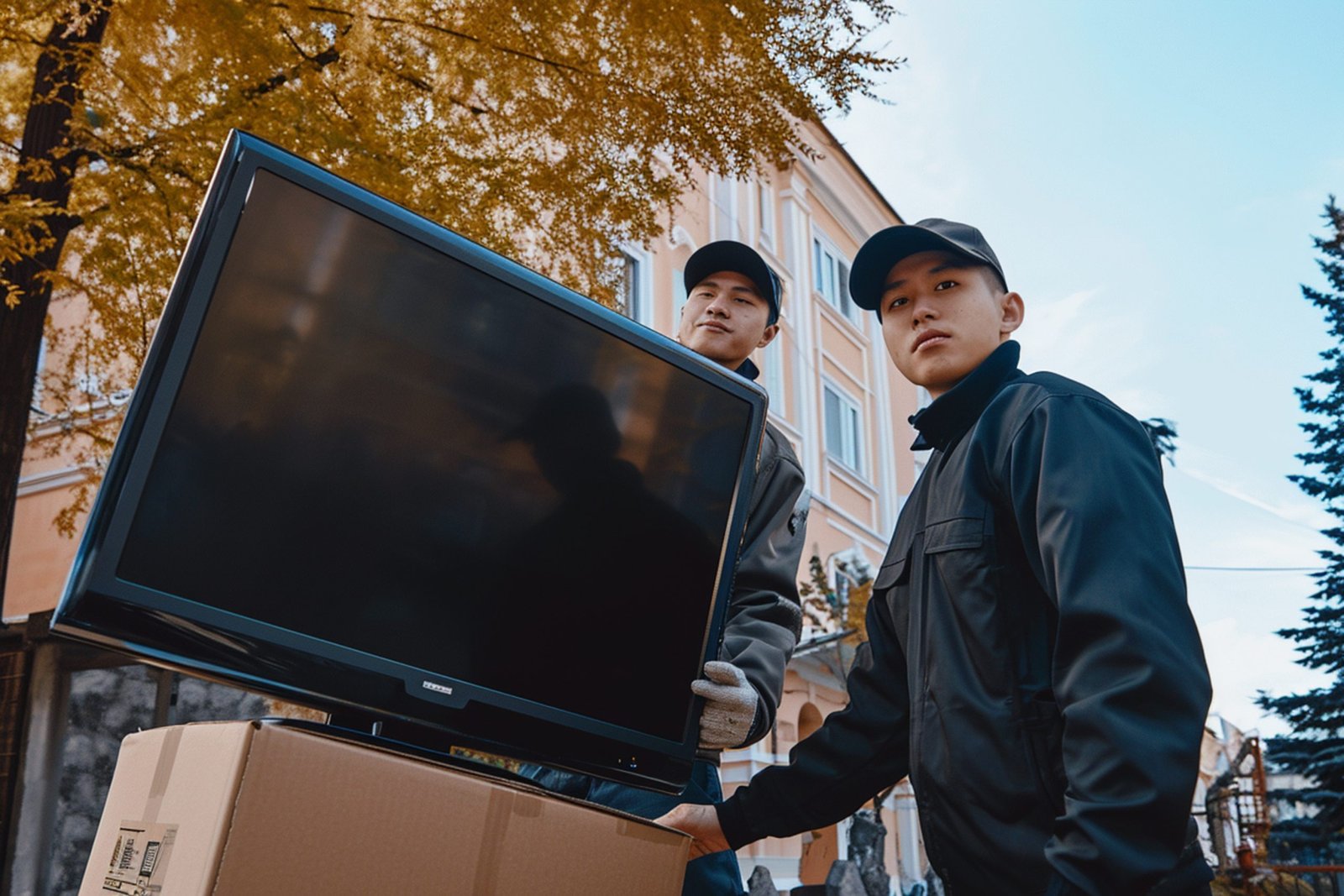
TV deliveries to commercial spaces aren’t as simple as dropping off a box at the front door. With big screens, tight schedules, and busy staff, the margin for error is small. Whether you’re managing a retail store, office, or restaurant, one damaged screen can mean a delay in setup, loss of time, and more stress than needed. Preventing that kind of damage comes down to one thing: preparation.
Making sure your delivery goes smoothly starts long before the truck shows up. Coordinating your team, clearing a safe path, and knowing what to expect from the delivery crew will save you and your business a ton of hassle. Let’s walk through the best ways to prepare, protect your equipment, and make sure everything lands right where it should, intact and ready to go.
Planning Your Delivery
Once your business orders a TV for delivery, the clock starts ticking. Delivery day can turn chaotic fast without a solid plan. That’s why the first thing to square away is the delivery schedule itself. Avoid peak hours or times when the space is busy. Early morning or late afternoon often works best since foot traffic is lower and fewer people are around to accidentally get in the way.
Here are a few quick tips to set yourself up for success:
– Talk to your delivery company about time windows, expected crew size, and what they’ll need from your end
– Pick a delivery time when the fewest number of staff or guests are present to help reduce interruptions
– Clear all doorways, hallways, and setup areas before the truck arrives. Sharp corners, loose rugs, or random boxes can cause stumbles or damage
– If your business has loading docks or elevators, make sure access is approved and working
– Assign a point-person on your team to be available when the delivery happens. This person can answer questions and make quick decisions without holding things up
If you’re managing a space like a hotel or venue, think about seasonal activity. Since this article goes live in mid-July, summer travel likely means higher business traffic. That could make earlier scheduling or late afternoon drop-off times smarter choices.
Investing even fifteen minutes to double-check access points, map out routes, and let your team know when and where delivery will happen makes all the difference between a smooth arrival and a stressful mess.
Handling Equipment With Care
The flat screens getting delivered to your business might look sturdy packed in foam, but one wrong bump can quickly damage internal parts. That’s why handling matters every step of the way. Whether it’s coming off the truck, rolling down a hallway, or being lifted onto a stand, care is key.
First, always make sure the crew moving the equipment is trained and using the right tools. That means dollies with straps, furniture blankets, and corner protectors. It’s not just about protecting the package, but also avoiding scrapes, dents, or worse on your walls and floors.
One example comes from a downtown Bay Area café we worked with. Their delivery team skipped padding, and the TV brushed up against a tile wall. No cracks, but a noticeable scratch remained. Doesn’t matter how small the damage is. Once it’s there, your guests will notice.
Encourage the use of these best practices whenever commercial TVs are delivered:
– Use team lifts for larger screens. One person shouldn’t be carrying anything that wide alone
– Pre-measure door frames and tight areas so there’s no need to twist or push through narrow passages
– Cover sharp edges or fragile parts like screen corners during transport inside the building
– Don’t set boxes upright unless clearly marked safe to do so
Letting professionals take the lead, while ensuring your space is ready and clear, keeps things moving safely. A little extra caution during these steps goes a long way in protecting your investment.
Communicating With Your Delivery Team
Once you’ve prepped the space and cleared the path, focus shifts to the people actually carrying out the delivery. Clear communication with your delivery crew can make or break a smooth commercial TV drop-off. The crew needs to know where to go, what to avoid, and how your building is set up. Without the right details, even the most well-planned delivery can hit snags.
Start by sharing building info ahead of time. That might seem minor, but things like elevator access, stairwell width, and ceiling height all play a part. Include instructions about parking zones or loading dock hours. If your property has limited access points or needs security clearance, don’t leave that out. And on delivery day, your point-person onsite should be ready to greet the drivers and point them in the right direction.
Here’s what to make sure your delivery team knows:
– Exact drop-off location inside the building
– Access policies, whether that’s a keycard or front desk check-in
– Hours of operation or quiet times when setup noise needs to be low
– Equipment limitations, like areas where carts won’t fit or elevators that can’t hold large loads
– Contact info for a manager in case something changes during the drop
We had a client who forgot to mention construction in the rear stairwell of their space. The delivery team showed up with their usual route blocked. It added twenty minutes to the drop-off while they figured out a new course. It didn’t ruin the day but it rattled the timeline.
Keep everyone on the same page from beginning to end. When there’s one single contact person who handles all delivery communication, fewer mistakes happen and problems get solved faster.
Post-Delivery Inspection And Setup
Once the box hits the floor, your job isn’t done yet. The last few steps are about double-checking that nothing went wrong between the truck and the room. You don’t want to discover a cracked screen or disconnected buttons after the team is gone and you’re already scheduling your next event or opening the doors.
Inspect the outside of the box first before opening anything. Look for dents, holes, or signs it was dropped. If anything seems off, flag it right away and take pictures. Then, carefully unbox the TV in a clean, quiet area. Don’t let anyone rush the process just to get things moving. A slow and steady unpacking helps avoid last-minute scratches or screen pressure that could ruin the unit.
Once it’s unboxed:
– Check for missing cables, legs, or mounting parts
– Scan all corners and edges for chips, marks, or surface cracks
– Test the power button before mounting to be sure it turns on
– If the TV design includes a stand, make sure it sits steady on a flat surface
– Avoid plugging it into outlets near entry doors or kitchen equipment to protect from power surges
Setup should always be handled by someone who understands how mounting works. If the screen gets hung crooked or placed too close to a heat source like an HVAC vent, it’ll create problems later. Don’t let anyone guess. Get a professional involved who knows how to measure and drill safely.
Especially in the Bay Area, where commercial properties vary wildly in structure and layout, this part needs a trained eye. Even one misplaced drill hole in the wrong kind of drywall can turn into a repair job. Schedule the setup ahead of time and coordinate it with the delivery to keep everything aligned.
Your TVs Deserve Better Than Guesswork
A smooth commercial TV delivery doesn’t happen by luck. It takes a mix of smart planning, good communication, and real attention to detail. Every step, from confirming truck access to unboxing a flawless screen, matters more than most managers realize until it’s too late.
Taking control of the process from start to finish helps protect both your space and your gear. You’re not just getting a screen delivered. You’re setting up a centerpiece for your customers or employees. Whether it’s showing the game in a sports bar or running presentations in a boardroom, how that screen gets there impacts how soon it can be used and how long it will last.
Working with people who do this sort of thing day in and day out also helps take the pressure off your shoulders. Set your team and your space up for success by paying attention to the details. Your future self and your TV will thank you.
A smooth commercial TV delivery starts with planning and ends with professional setup. Bay Area Wall Mounts is here to help you handle every step, keeping your equipment safe and your business running without delays. Let us take the stress off your plate so your screens arrive ready to use and in perfect condition.